I spend my working life helping people understand things.
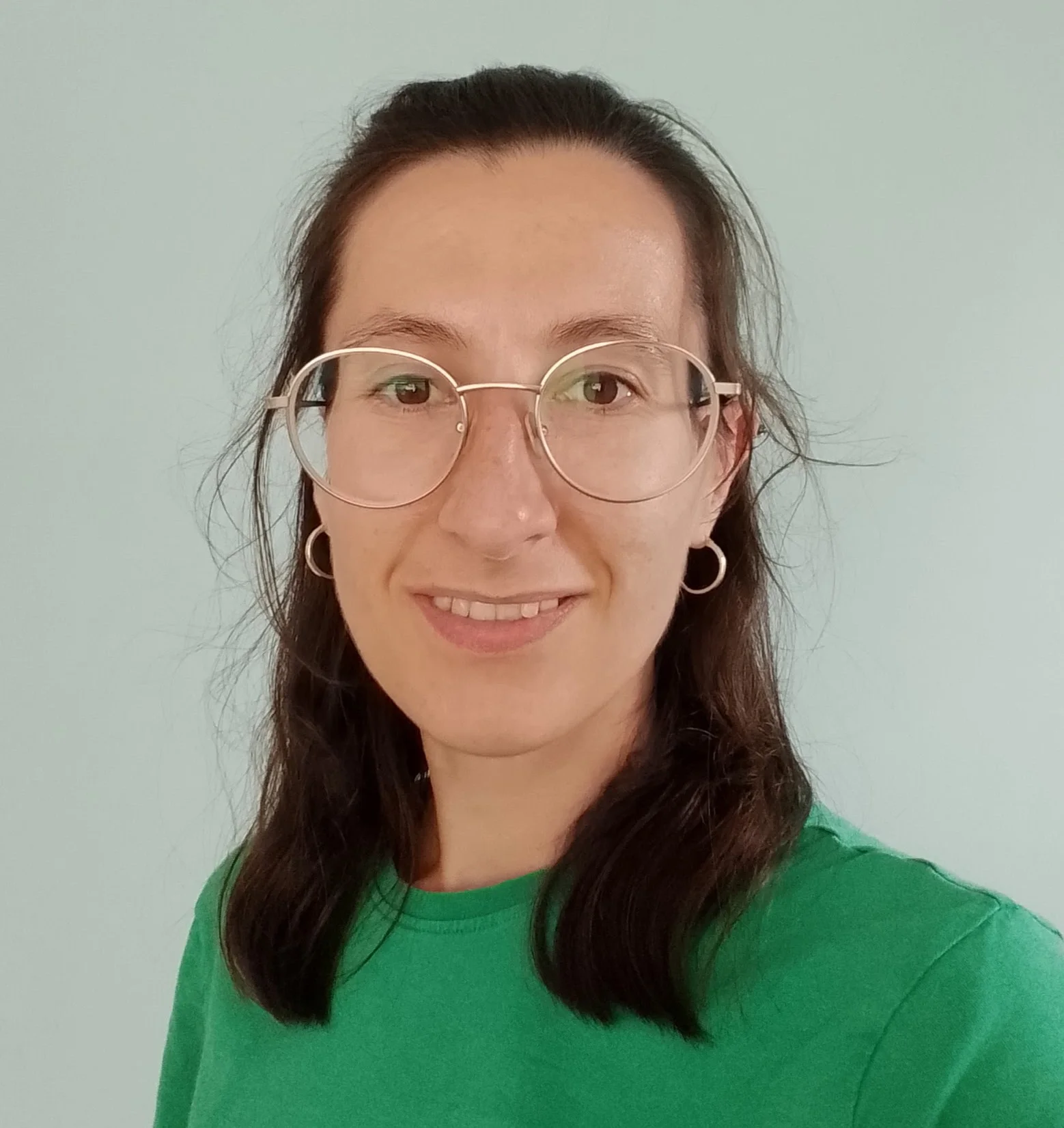
I am an autistic botanical illustrator and speaker.
On paper those look like two separate careers. In practice, they both begin in the same place: understanding something properly before deciding how best to communicate it.
I create research-led botanical illustration for wellness brands and speak about autistic lived experience to universities, clinicians and organisations.
I was diagnosed with PDD-NOS (Pervasive Developmental Disorder Not Otherwise Specified), social anxiety and OCD in 2009, at the age of 19. PDD-NOS is no longer a diagnostic term and now sits within Autism Spectrum Disorder.
Since then, I've spent much of my adult life understanding, articulating and occasionally arguing with how my own brain works. It turns out that way of thinking has shaped everything I do.
How I got here
I've always been fascinated by stories and how people make sense of the world. As a child it was mythology and folklore. Later it became art, literature, theatre and animation. Different subjects, but the same habit of asking questions until I understood how something worked.
After university I taught myself technical animation and joined MPC London, one of the world's largest visual effects studios. I specialised in skin, hair, fur and cloth simulation, including work on The Jungle Book (2016). The job depended on careful observation, research and solving problems that most people would only notice if they were wrong.
Working in that environment also taught me what it meant to be autistic in a demanding professional workplace. Those experiences continue to shape both my illustration and my speaking.
Today, the tools have changed, but the approach hasn't. Whether I'm creating botanical illustrations or speaking about autistic lived experience, I begin by understanding the subject properly before deciding how to communicate it.
Still Growing Botanical Studio
Still Growing Botanical Studio grew from the same instincts that made me enjoy technical animation: careful observation, research and understanding how something works before trying to explain it.
I create research-led botanical illustration for wellness brands, specialising in ingredient storytelling and educational content. Every project begins with a communication question, followed by research into the plant, its structure, properties and role within your products. The illustration is built from there.
I sketch in pencil before painting digitally with a Wacom pen in Rebelle. Using dip pen linework, detailed shading and oil pastels for colour allows me to create illustrations that feel tactile, recognisable and unmistakably human.
Alongside my illustration work I write The Herbarium, a botanical facts blog where I share some of the research behind the plants I illustrate.
The speaking work
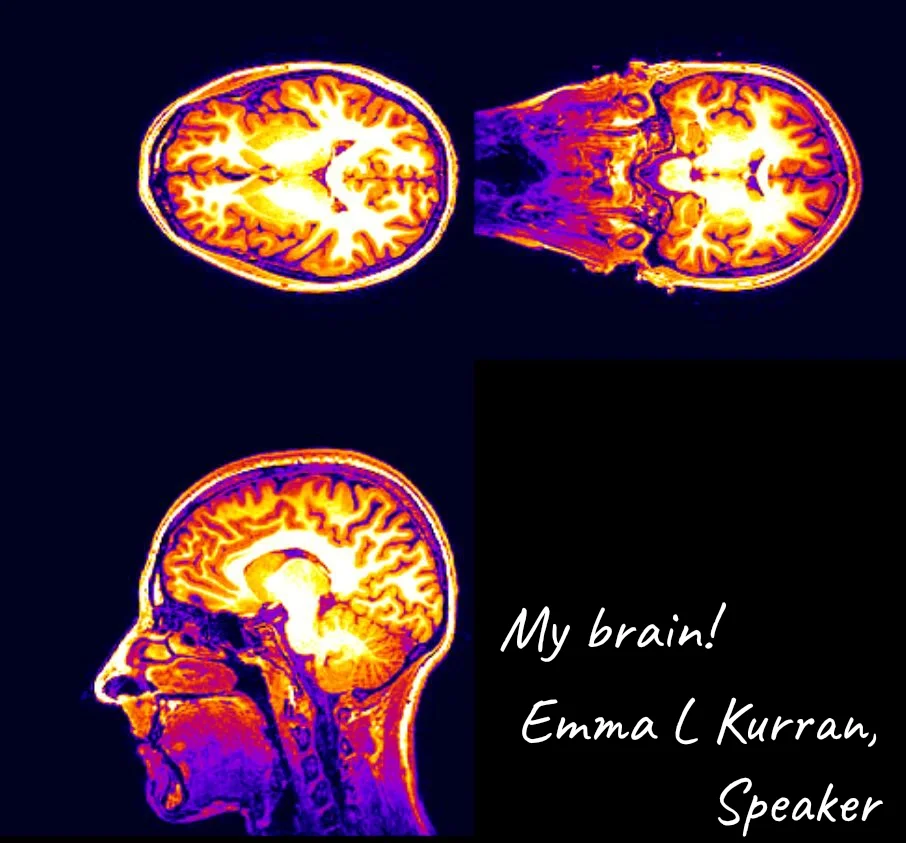
Since 2018 I have delivered an annual lecture on autistic lived experience to MSc students in Clinical Neurodevelopmental Sciences at the Institute of Psychiatry, Psychology and Neuroscience, King's College London. What began as a twenty-minute talk has developed over eight years into a sixty-minute lecture with discussion.
Alongside this, I have contributed to autism research, panel discussions, podcasts and professional education events, sharing lived experience with clinical, academic and public audiences.
My talks explore the internal experience of being autistic: masking, identity, late diagnosis, navigating systems, vulnerability and motherhood. They are designed for universities, healthcare professionals and organisations that want to understand autism through lived experience alongside academic knowledge.
The rest of it
Outside work, I'm a lone parent to two spectacularly sociable small children, the best and most chaotic thing that has ever happened to my carefully managed sensory environment.
If you want to work together, whether that is a speaking enquiry or an illustration project, the best place to start is here.
What ties it all together?
On paper, botanical illustration and autism speaking look unrelated, to me they feel like the same job.
Both start with research. Both involve understanding something properly before trying to explain it. Both ask the same question:
What does somebody need to understand?
Sometimes the answer is a lecture, sometimes it's an illustration.
Testimonials
“I am the Programme Lead of the master’s degree Clinical Neurodevelopmental Sciences at King’s College London and invited Emma to speak with our students about 10 years ago. She delivered a brilliant lecture about her experience as a service user of the clinical and research teams our course is connected to. She is now a regular contributor to our teaching and highly appreciated by the students. Emma is so honest and open about her neurodivergent lived experience and welcomes questions and discussions from the students. Educational literature promotes the value of incorporating lived experience of sharing of personal stories, for translating knowledge to students. Emma combines her experiences of going through diagnosis services as a female, participating in research studies, her educational journey, career and present life as a single mum of two. I highly recommend Emma as an excellent speaker.”
— Dr Eileen Daly, Reader in Neurodevelopmental Science, Programme Lead MSc Clinical Neurodevelopmental Sciences, Dept of Forensics and Neurodevelopmental Sciences/Institute of Psychiatry, Psychology and Neuroscience, King's College London
“Emma is a highly reliable and talented illustrator who consistently delivers high-quality work, even to tight deadlines. She quickly understood each brief and translated it into clear, engaging visuals that aligned perfectly with the project’s goals.
She is responsive, adaptable, and easy to work with, handling feedback and last-minute changes with professionalism and speed. Emma also brought added value beyond the initial scope, supporting layout, concept development, and wider creative needs across multiple projects.
I would highly recommend Emma to anyone looking for a skilled illustrator who combines creativity with efficiency and a strong understanding of client requirements.”
— Clare Anderson, Author, Founder of Sensory Retreats, Shared Beauty Secrets and Sensory Sleep